

How to Build a 7-Figure
Online Course in 2026
I scaled past $600K/month selling courses — working 2-3 hours a day.
Here's the exact process, step by step.
By Sander Stage | 12 min read | March 2026
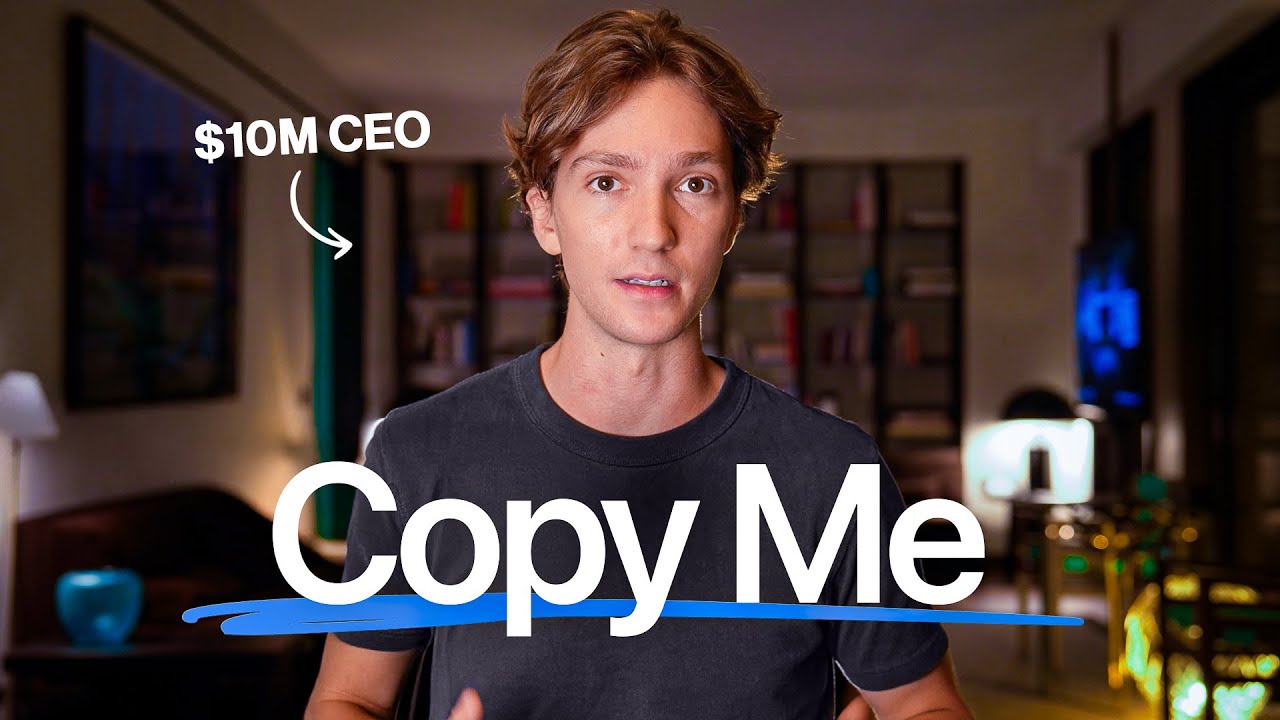
Most people believe you need a massive audience, a full sales team, and years of experience to make real money selling online courses. That belief is wrong — and it's costing you time.
Last year, I scaled my online course business past $600,000 in monthly profit, working just two to three hours per day, without complex backend systems or a huge following. In this post, I'm breaking down the exact six steps that made it possible — and how you can replicate them regardless of what you teach.
Whether your expertise is in fitness, photography, finance, music, consulting, or even something as niche as wine tasting, this blueprint works. There are million-dollar courses being sold on virtually every topic you can imagine. And the best part? You don't need to be the world's foremost expert to get started.
Whether you're aiming to create & launch your first online course from scratch, or to scale an existing online course to $100K/month and far beyond - we have courses, services & systems to accommodate your needs!
The Productivity Routine That Gave Me Limitless Energy (Even Though I'm Naturally Lazy)
I don't have unlimited natural energy. So I built a system that forces it. Here are the 5 exact things I do to sustain 6–8 hours of peak daily output.
I have this friend who recently turned 50. He goes out five nights a week, drinks heavily, smokes constantly, sleeps about four hours per night — and somehow has younger-looking skin and more energy than me. He's a biological anomaly. And he's the exception that proves the rule.
I am not built like that. I'm naturally lazy. I don't have an endless reserve of energy to pull from. I can't pull all-nighters fueled by energy drinks and still perform the next day. I cannot go out on a Friday night and show up sharp on Saturday morning.
But here's what I've come to understand: my laziness is actually a strength. Because it forced me to be precise. In order to achieve the output I'm after — running multiple businesses, staying sharp for 6–8 focused hours a day, making good decisions when it counts — my environment and habits need to be close to optimized. I can't afford to wing it the way my superhero friend does.
The result of years of experimentation is a five-part routine. It's not glamorous. Some parts are demanding. But it works — and it works specifically because I'm not relying on natural gifts I don't have. I had to build this deliberately. Here's exactly what it is.
Aspect 1Let Your Brain Dream (The Screen-Before-Bed Problem)
No screens in the 60–90 minutes before you sleep.
This rule is widely known. What's less understood is why it matters beyond just making it harder to fall asleep.
When I watch something on a screen until I physically can't keep my eyes open, I consistently wake up the next morning without remembering a single dream. That might not sound like a problem. But it is.
Think back to what it was like to fall asleep as a child — no phone, no TV in the room. Just lying there, staring at the ceiling, thinking about what happened that day, imagining tomorrow, turning over problems in your mind. That pre-sleep reflection is your brain's processing window. It's when your brain consolidates the day's input, makes connections across information you've absorbed, and lets your unconscious mind work on the challenges you've been carrying. That's what produces dreams. And that's where creative insights actually come from.
When we eliminate that window by watching content until we pass out, we rob the brain of its most powerful tool for creative problem-solving. I've experienced this directly: when I cut screens before bed, I wake up with answers to problems I fell asleep confused about. When I break the rule and binge a show until 1am, I wake up groggy, uninspired, and no closer to solving anything.
That random stroke of genius that seems to come out of nowhere? That's what happens when your brain is given the time and silence to actually process things. We suppress it every night with a screen.
It also wrecks your morning. Falling asleep mid-scroll or mid-episode means you wake up with no natural momentum — your first instinct is to pick the phone back up because there's no internal energy pushing you toward work. The no-screen rule protects your morning as much as it protects your sleep.
Aspect 2Laser Focus — Timing Your Work Correctly
There are three distinct types of work, and they require fundamentally different mental states. Treating them the same destroys your output efficiency.
Type 1: Deep Work
Deep work is the hardest, most cognitively demanding thing you do. Writing, creating, strategizing, building — anything that requires sustained, proactive concentration. For me, my window for deep work is roughly 8:00am to 2:00pm. During that window, I schedule no meetings and resist any significant interruptions. Those six hours are protected. I've spoken to other entrepreneurs who find their deep work state hits late in the evening or at night — this is personal. You need to find and protect your own window.
Type 2: General Work & Management
This includes reviewing projects, leaving feedback for your team, responding to messages, light administrative tasks. It's lower-intensity but requires proactivity — which makes it surprisingly easy to procrastinate, especially after a long deep work session when your brain feels depleted. My solution: change your environment. After deep work, I get a quick overview of what needs to be done, take a short walk, grab a coffee, and sit in a café to handle the lighter tasks. The environmental shift re-engages my focus for another one to three hours without the mental cost of staying put.
Type 3: Meetings
Meetings are easier to sustain than deep work because there's social accountability — silence becomes uncomfortable, so you stay engaged. I schedule most of mine between 5:00pm and 8:00pm. This keeps my peak cognitive hours free for the work that actually requires them. If you're a night-person who does deep work in the evenings, flip this: do meetings earlier and protect your evenings for focused output.
The Diet That Fuels All-Day Focus
I'm not a nutritionist. But I've spent years experimenting with what I eat and when — specifically optimizing for sustained cognitive performance, not aesthetics or athletic output. Here's what actually works for me.
Breakfast: Protein-Heavy, Low Carb
Four to five scrambled eggs with one slice of toasted sourdough bread — sometimes with leftover steak added for extra protein on hungrier mornings. This gets followed immediately by half a liter of water with electrolytes, magnesium, zinc, and a small amount of creatine. Not a hyped canned energy drink — just the basics from a pharmacy. Then one good espresso to start the engine. I've been doing the electrolyte mix for four years and the improvement in daily balance and focus has been noticeable enough that I won't go without it.
The Walk Before Work
Right after breakfast, I go for a 15–30 minute walk with a podcast or audiobook. This serves two purposes: it lets the food settle (avoiding the early post-meal dip), and by the time I'm back, the caffeine is working and I'm mentally primed. Then a quick shower and straight into deep work.
No Big Lunch
I only eat two full meals a day: breakfast and dinner. Between them, I maintain steady fuel through carrots, bananas, and dark chocolate throughout the day. This sounds almost too simple, but it's extremely effective. A large carbohydrate-heavy lunch — pasta, rice, bread — reliably kills my afternoon. The post-meal drowsiness can take two to three hours to clear, which effectively cancels the entire afternoon. The consistent small-snack approach keeps blood sugar stable and attention sustained for six-plus hours without crashing.
What to Avoid at All Costs
Processed snacks, packaged foods, candy, chips — any factory-made food with refined sugars and seed oils. These are energy assassins. Even when I was building my first business on a tight budget and eating oatmeal, carrots, and bananas most days, I stayed away from processed junk. If budget is a genuine constraint, eat simply and whole. Clean eating doesn't require a large food budget — it requires discipline. The processed alternatives aren't even cheaper. They're just more convenient in a way that will cost you your output.
Aspect 4Eating processed food when you're trying to build a business is like pouring bad fuel into a high-performance engine. The engine wasn't designed for it, and eventually the damage shows up.
Movement — The Most Overlooked Cognitive Tool
Cardio is not just for physical fitness. It is a direct cognitive performance tool — and it is the most consistently underestimated aspect of peak focus for entrepreneurs.
When I stop doing cardio, it happens gradually: my focus starts to slip, my energy dips by early afternoon, and — this is the one that surprised me most — I actually feel a reduced excitement for life. Not depression in any clinical sense. Just a subtle dulling of motivation and forward momentum. Then I go for a run, push myself, feel my heart rate climb — and within minutes of finishing, there's a clarity and energy that was missing. It's not placebo. It's consistent enough that I've made it non-negotiable.
Cardio is also my best problem-solving tool. When I'm stuck on something, I don't sit at my desk and force it. I go for a run. I focus on the problem while running, and more often than not, a solution surfaces during or just after the run — with a quality I couldn't have manufactured at a desk.
The Minimum Effective Dose
- On waking: 20–50 push-ups immediately when the alarm goes off. Not optional. This raises your heart rate, makes it harder to crawl back into bed, and creates the first momentum of the day.
- Post-breakfast: 15–30 minute walk, every day.
- 3–4 times per week: Dedicated cardio session — a 3–5km run, or equivalent. At a moderate pace, this takes 30 minutes or less. That's all you need.
I mix in tennis, which at a competitive level is intense cardio. But running is the simplest, most accessible form. If you currently do no cardio whatsoever, just add a short run every other day and observe the change in your cognitive output within two weeks. The research is there. The experience confirms it.
One important note: strength training is great, but it is not a substitute. Lifting weights four times a week without cardio does not produce the same cognitive and cardiovascular benefits. Do both if you can, but if you have to choose one for focus and energy, choose cardio.
Aspect 5What Not to Do — The Sacrifices That Actually Matter
This one is straightforward and uncomfortable in equal measure: consistent output requires consistent sacrifice.
You can party every weekend. You can eat whatever you want. You can stay up consuming content until 2am. All of those are genuine choices, and nobody is stopping you. But each one has a cognitive cost — and those costs compound. The person who parties Thursday through Sunday and then tries to build a business Monday through Wednesday is operating at a fraction of their potential. Every time.
I'm not suggesting a life without enjoyment. I'm suggesting that the version of your life where you operate at your highest output creates far more freedom, options, and reward than the version where short-term stimulation eats into your long-term potential.
The entrepreneurs I know who've built the most are almost universally disciplined in their personal habits. Not perfect — but deliberate. They enjoy things, but they understand the cost of each indulgence and choose accordingly. That's the difference between living reactively and living with intention.
The Course Creator Launchpad shows you how to use AI to create and scale an online course business — work 2–3 focused hours a day, from anywhere in the world.
Create Your Course With AI — $39Lifetime Access · Money Back GuaranteeFrequently Asked Questions
Using screens right before sleep prevents your brain from processing the day's information and dreaming. This suppresses creative problem-solving, leaves you groggy in the morning, and progressively dulls motivation and excitement for work. Protecting that pre-sleep reflection window is one of the highest-leverage habits you can build.
Deep work is highly focused, cognitively intensive work — writing, building, creating, strategizing. Most people find their best window in the morning (roughly 8am–2pm), but night owls may peak later. The key is identifying your personal window and protecting it ruthlessly from meetings and distractions.
A high-protein breakfast (eggs, minimal carbs) with electrolytes and espresso, followed by light consistent snacking on carrots, bananas, and dark chocolate throughout the day. Avoid large carbohydrate-heavy lunches — they cause energy crashes that reliably kill afternoon productivity.
Cardio increases cerebral blood flow, releases neurotransmitters that support focus and mood, and reduces cardiovascular disease risk with as little as 20 minutes per day. Entrepreneurs who stop doing cardio consistently report losing energy, creative clarity, and motivation — often before they even realize why.
Three to four times per week minimum — even just a 3–5km run every other day. At a moderate pace, this takes 30 minutes or less. A very small time investment for the cognitive and energy returns it delivers.
No. Strength training has real value, but it does not provide the same cognitive and cardiovascular benefits as sustained cardio. If you're only lifting and skipping cardio, you're likely leaving significant focus and energy on the table.
Processed foods, packaged snacks, candy, chips, and anything factory-made with refined sugars. These cause energy spikes and crashes that compromise focus and long-term health. Stick to whole foods — quality meat, eggs, vegetables, and fruit — even on a budget. Clean eating doesn't require expensive groceries, just discipline.
Change your environment when you change your work type. After deep work, take a short walk, grab a coffee, and move to a café or different space for general management tasks. The environmental shift helps your brain downshift without fully stopping — and often extends your productive hours by one to three additional hours.
Ready to Build Your Course?
Use AI to create your first online course, build a funnel that sells while you sleep, and scale to $10K/month — all while protecting the deep-work lifestyle this post is built around.
One-time payment (save 90%)
- 9 in-depth course chapters.
- Private Members' Community.
- Templates & systems for everything.
- No previous experience required.
My Social Medias


Support & Login
Legal Pages

© 2025 Course Creator Co.
All Rights Reserved